
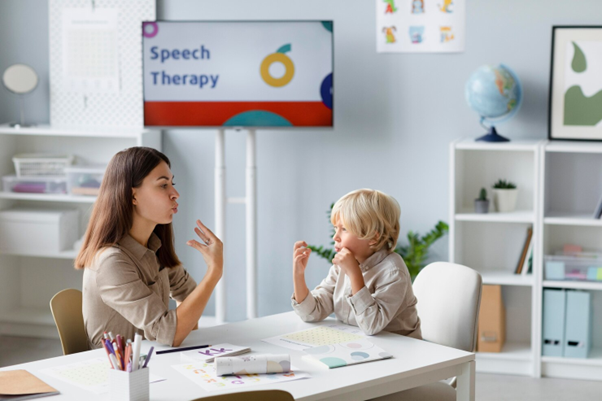
Hearing plays a foundational role in a child’s ability to develop speech and language skills. From the earliest months of life, children learn to communicate by listening to sounds, recognizing patterns, and mimicking speech. When hearing is impaired, this natural learning process can be disrupted, potentially leading to delays in speech, language comprehension, and social communication.
Parents seeking early intervention often consult speech therapists in Vaododara to support their child’s communication development. These professionals play a vital role in helping children overcome challenges associated with hearing impairment through structured therapy and personalized techniques.
In many cases, diagnosis and treatment begin at a specialized facility such as the best ENT hospital in Vadodara, where comprehensive evaluations identify the type and severity of hearing loss. Early detection ensures that children receive the appropriate care and support needed for optimal development.
What Is Hearing Impairment in Children?
Hearing impairment refers to a partial or complete inability to hear sounds. It can affect one or both ears and may range from mild to profound. In children, hearing loss can be present at birth (congenital) or develop later due to illness, injury, or environmental factors.
Types of hearing impairment include:
- Conductive hearing loss, caused by issues in the outer or middle ear
- Sensorineural hearing loss, resulting from damage to the inner ear or auditory nerve
- Mixed hearing loss, which combines both types
Each type affects a child’s ability to perceive sound differently, influencing how they learn to speak and understand language.
How Hearing Impairment Affects Speech Development
Speech development relies heavily on a child’s ability to hear and process sounds. When hearing is compromised, children may struggle to imitate sounds, form words, and understand spoken language.
Common effects include:
- Delayed speech milestones
- Difficulty pronouncing words clearly
- Limited vocabulary development
- Challenges in understanding instructions
- Reduced ability to engage in conversations
Children with untreated hearing impairment may also experience frustration, which can impact their confidence and social interactions.
Early Signs of Hearing Loss in Children
Recognizing the early signs of hearing impairment is crucial for timely intervention. Parents and caregivers should be attentive to developmental milestones and behavioral cues.
Some early indicators include:
- Lack of response to sounds or voices
- Delayed babbling or speech development
- Difficulty following directions
- Frequently asking for repetition
- Turning up the volume excessively on devices
If any of these signs are observed, it is important to seek professional evaluation as soon as possible.
The Importance of Early Diagnosis and Intervention
Early diagnosis is one of the most significant factors in managing hearing impairment effectively. The sooner a child’s hearing loss is identified, the sooner appropriate interventions can begin.
Early intervention offers several benefits:
- Improved speech and language development
- Enhanced cognitive and social skills
- Better academic outcomes
- Increased confidence and independence
Hearing screenings for newborns and regular check-ups during early childhood play a vital role in detecting issues before they become more complex.
Treatment Options for Hearing Impairment
The treatment approach depends on the type and severity of hearing loss. Modern advancements in medical technology and therapy provide a range of effective solutions.
Common treatment options include:
- Hearing aids to amplify sound
- Cochlear implants for severe hearing loss
- Medical or surgical interventions for structural issues
- Speech and language therapy
Each treatment plan is tailored to the child’s specific needs, ensuring the best possible outcome.
Role of Speech Therapy in Development
Speech therapy is a cornerstone in helping children with hearing impairment develop effective communication skills. Therapists use specialized techniques to improve speech clarity, language comprehension, and expressive abilities.
Therapy focuses on:
- Sound recognition and articulation
- Vocabulary building
- Sentence formation
- Social communication skills
Regular sessions, combined with parental involvement, significantly enhance a child’s progress and confidence.
Parental Involvement and Support
Parents play a crucial role in supporting their child’s development. Creating a language-rich environment at home helps reinforce therapy and encourages communication.
Effective strategies include:
- Speaking clearly and consistently
- Using visual cues and gestures
- Reading aloud regularly
- Encouraging interactive communication
Active involvement not only accelerates progress but also strengthens the bond between parent and child.
Educational Support and Inclusion
Children with hearing impairment often benefit from additional support within educational settings. Schools may provide resources such as specialized instruction, assistive listening devices, and individualized education plans.
Inclusive education ensures that children:
- Participate actively in classroom activities
- Develop social skills with peers
- Receive tailored support for learning challenges
Collaboration between parents, educators, and therapists is essential for creating a supportive learning environment.
Social and Emotional Impact of Hearing Impairment
Hearing loss can influence a child’s emotional well-being and social interactions. Difficulties in communication may lead to feelings of isolation or frustration.
Providing emotional support helps children:
- Build confidence in their abilities
- Develop positive relationships
- Express themselves effectively
Encouraging participation in group activities and fostering a supportive environment can significantly improve a child’s social experience.
Technological Advancements in Hearing Care
Advancements in technology have revolutionized the management of hearing impairment. Modern devices and tools offer improved sound quality and greater accessibility.
Innovations include:
- Digital hearing aids with advanced features
- Wireless connectivity for seamless communication
- Assistive listening devices for classrooms
- Mobile apps for auditory training
These technologies enhance a child’s ability to interact with their environment and support ongoing development.
Empowering Children Through Early Action
Hearing impairment can present challenges, but with early diagnosis, appropriate treatment, and consistent support, children can achieve remarkable progress in speech and language development. Understanding the connection between hearing and communication is the first step toward providing effective care.
By combining medical expertise, therapeutic intervention, and parental involvement, we create a strong foundation for children to thrive. With the right approach, every child has the opportunity to develop confident communication skills and lead a fulfilling, connected life.