
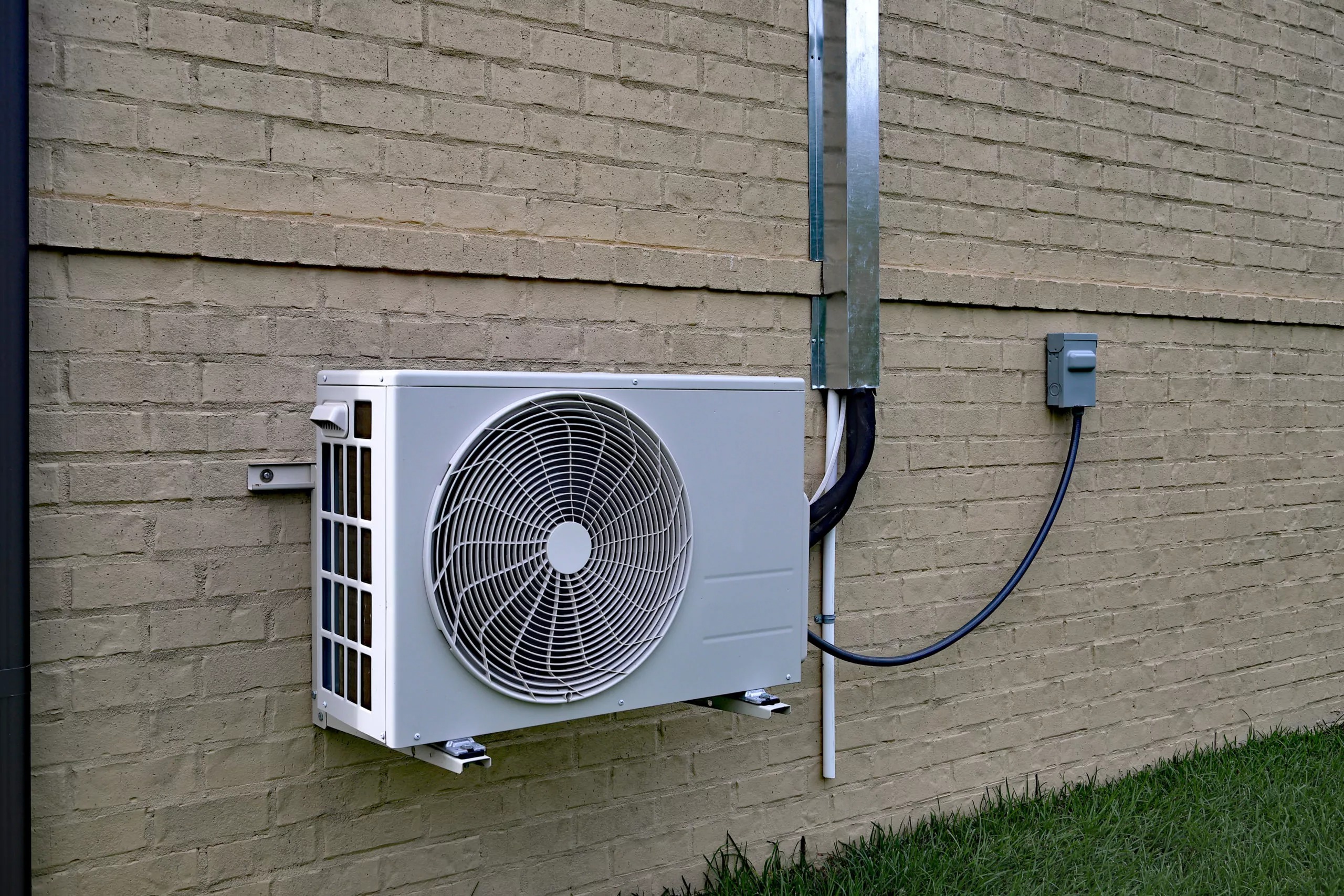
Mini split systems have become increasingly popular for heating and cooling due to their efficiency, flexibility, and ease of installation. These systems consist of two main components: an outdoor compressor unit and one or more indoor air-handling units. Unlike traditional HVAC systems that rely on ductwork, mini splits use refrigerant lines to connect the outdoor and indoor units, making them ideal for homes without existing ducts or for room-specific climate control. When selecting a mini split system, durability and long-lasting performance are key factors to consider because these units represent a significant investment in comfort.
High-quality mini split systems are designed with robust materials that withstand various weather conditions, ensuring reliable operation over many years. The compressors often feature advanced technology such as inverter-driven motors that adjust speed based on cooling or heating demand rather than running at full capacity constantly. This not only improves energy efficiency but also reduces wear and tear on the system’s components, extending its lifespan. Additionally, corrosion-resistant coatings on outdoor units protect against rust caused by exposure to rain, snow, and salty air in coastal regions.
Maintenance plays a crucial role in preserving the longevity of any HVAC equipment. Mini splits built for long-term performance typically incorporate easily accessible filters that homeowners can clean regularly without professional help. Keeping filters clean prevents dust buildup inside the system which could otherwise impair airflow and strain internal parts. Many models also include diagnostic features that alert users when maintenance is needed or if there is a malfunction within the system. Such proactive measures help avoid costly repairs by addressing issues early.
Energy efficiency ratings such as SEER (Seasonal Energy Efficiency Ratio) reflect how effectively a Mini Split converts electricity into heating or cooling output across different seasons. Systems with higher SEER values consume less power while maintaining comfortable indoor temperatures year-round; this contributes both to lower utility bills and reduced environmental impact over time. Investing in reputable brands known for rigorous testing standards guarantees access to quality components backed by warranties covering essential parts like compressors and heat exchangers.
In summary, choosing mini split systems engineered for durability ensures consistent comfort while minimizing operational costs through energy savings and fewer repairs over their service life. Their combination of adaptable installation options alongside advanced technology makes them suitable solutions in residential or commercial settings where reliability matters most. Proper care combined with modern design elements results in equipment capable of delivering efficient climate control well beyond initial expectations-making these systems smart investments tailored toward lasting performance benefits throughout changing seasons ahead.